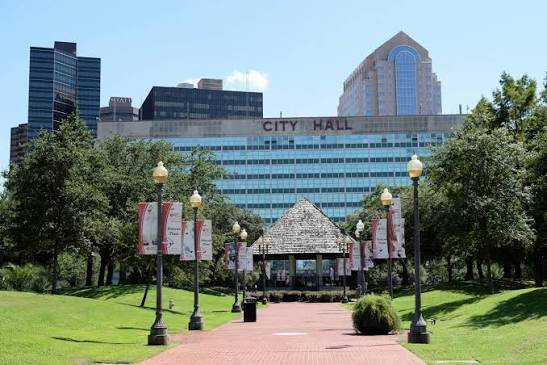
Home to Charlotte and more than 1.1 million residents, Mecklenburg County has been navigating real strain on its jail system in recent years, including staffing shortages, state inspection concerns, and high-profile tension between the Sheriff’s Office and federal immigration authorities. Here’s a clear, current breakdown of how Mecklenburg County’s administration, courts, jail, and sheriff’s office actually work.

Mecklenburg County Overview
| Category | Details |
| County Seat | Charlotte, North Carolina |
| Population | Over 1.1 million |
| Governing Body | Mecklenburg Board of County Commissioners (9 members) |
| Board Chair | Mark Jerrell |
| County Sheriff | Garry McFadden |
| Sheriff’s Office Website | mecksheriff.com |
| Clerk of Superior Court’s Office | 832 E. 4th Street, Charlotte, NC |
| Court System | Mecklenburg County Superior and District Courts |
| Main Jail Facility | Mecklenburg County Detention Center (Uptown Charlotte) |
| Time Zone | Eastern Time (ET), observes Daylight Saving Time |
How Mecklenburg County Government Works
Mecklenburg County is governed by a nine-member Board of County Commissioners — six elected by district and three elected at-large — who set policy and approve the county budget alongside an appointed County Manager. Mark Jerrell currently chairs the Board, having recently delivered his first State of the County address describing the county’s overall condition as strong. Several offices — including the Sheriff, Clerk of Superior Court, and District Attorney — are elected independently and don’t answer directly to the Board.
Most residents interact with county administration through:
- Charlotte-Mecklenburg Government Center — downtown Charlotte, home to Commissioners’ meetings and several administrative departments
- gov — the county’s central hub for permits, property records, and department directories
- County Manager’s office — recently under new leadership following the swearing-in of a new County Manager in mid-2025
Because Mecklenburg County includes Charlotte and several smaller municipalities, some services are delivered jointly through combined city-county arrangements, so confirming whether a given department is a county or city function can save time.
The Sheriff’s Office: Jail Strain and Federal Tensions
Garry McFadden has served as Mecklenburg County Sheriff and has been a visible public figure amid two ongoing challenges: significant strain on the county’s jail system and recurring friction with federal immigration enforcement. The Sheriff’s Office responsibilities include:
- Jail operations — running the Mecklenburg County Detention Center in Uptown Charlotte
- Court security — protecting the county courthouse and related judicial facilities
- Civil process — serving warrants, evictions, and subpoenas throughout the county
- Juvenile detention — a responsibility complicated by the 2022 closure of the county’s juvenile facility, known as Jail North, due to staffing issues
Sheriff McFadden has also publicly clashed with U.S. Immigration and Customs Enforcement on multiple occasions, including incidents where ICE agents made arrests at the county courthouse without clear identification, and disputes over how long the jail could legally hold individuals under federal detainer requests. These tensions are ongoing and worth confirming directly with current sources if relevant to your situation.
The Jail System — Under Real Strain
The Mecklenburg County Detention Center has faced serious, well-documented challenges in recent years. Multiple in-custody deaths have prompted investigations by the N.C. State Bureau of Investigation, and state jail inspectors have issued critical reports tied to staffing shortages, at one point recommending the sheriff reduce the jail’s population to help address unsafe staff-to-inmate ratios. Sheriff McFadden has publicly disputed some findings from state jail inspectors, calling parts of the process unfair.
Separately, the county’s juvenile detention facility, Jail North, has remained closed since 2022 due to staffing shortages, despite state requests to reopen it — a request McFadden has called unrealistic given current recruiting challenges.
For anyone dealing with the jail system today:
- The Sheriff’s Office maintains an online inmate inquiry tool, part of its arrest and warrant lookup system
- Given ongoing staffing and safety concerns, confirm current visitation procedures directly with the facility before visiting
- Recently booked individuals may take several hours to appear in the system
- Bond payments can generally be made in person at the detention center or through approved payment channels
- Visitation requires advance scheduling and valid photo ID
Working With the Clerk of Superior Court
The Mecklenburg County Clerk of Superior Court’s office, located at 832 E. 4th Street in Charlotte, processes county court records across civil, criminal, and family case types.
A few practical points before filing or researching a case:
- Many court records can be viewed online through the Mecklenburg County courts website, including offender name, date of birth, and charge information
- The county continues coordinating with the North Carolina Administrative Office of the Courts on statewide system updates, so confirm current filing procedures before assuming older information is accurate
- Self-help resources are available for people representing themselves, though staff cannot provide legal advice
- Given recent incidents involving federal agents at the courthouse, individuals with immigration-related concerns should be aware that courthouse visits have occasionally involved ICE activity — plan accordingly and consult legal counsel if this applies to your situation
Before You Visit
- Bring valid, government-issued photo ID to any county building, courthouse, or jail facility
- Confirm current jail visitation procedures before heading to the Detention Center, given ongoing staffing and safety concerns
- Downtown Charlotte parking near the Government Center and courthouse can be limited on weekday mornings — public transit (CATS) is often the more practical option
- Call the Clerk of Superior Court’s office directly for case-specific filing questions rather than relying solely on online search
Frequently Asked Questions
Q1. How do I find out if someone is in the Mecklenburg County Jail?
Use the Sheriff’s Office online inmate and warrant inquiry tool with the person’s name. Given ongoing staffing challenges at the facility, allow extra time for booking information to appear and confirm current visitation procedures before visiting.
Q2. Is the Mecklenburg County jail currently facing safety issues?
Yes. The facility has experienced multiple in-custody deaths in recent years, prompting state investigations and critical inspection reports tied to staffing shortages. The Sheriff’s Office has publicly disputed some findings while acknowledging ongoing recruitment challenges — check current news sources for the latest developments before assuming past reports still reflect present conditions.
Q3. Why is Jail North, the juvenile detention facility, still closed?
The facility closed in 2022 due to COVID-related staffing restrictions and has remained closed since, despite state requests to reopen it amid a statewide shortage of juvenile detention bed space. The Sheriff’s Office has said reopening would require hiring nearly 100 additional staff members, a request it considers currently unrealistic given existing recruitment difficulties.
Q4. Has the Mecklenburg County Sheriff’s Office had conflicts with ICE?
Yes, on multiple occasions. Incidents have included ICE arrests at the county courthouse without clear agent identification and disputes over how long the jail could legally hold individuals under federal detainer requests. If this is relevant to your situation, confirm current cooperation policies directly with the Sheriff’s Office, as this remains an actively evolving issue.