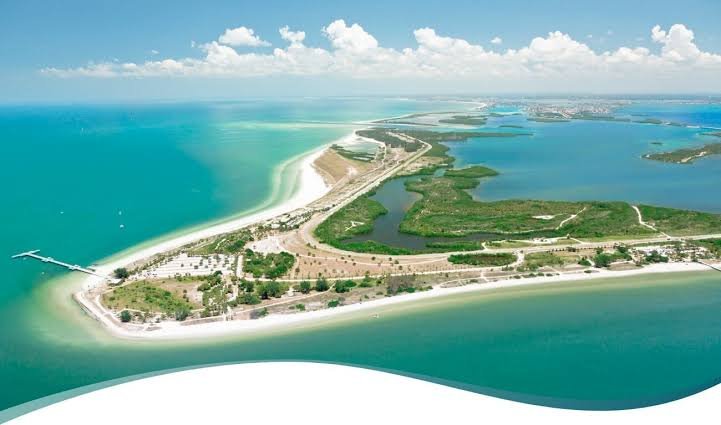
Squeezed onto a peninsula between Tampa Bay and the Gulf of Mexico, Pinellas County packs nearly a million residents into the smallest land area of any county in Florida — a density that shapes everything from traffic to how its jail and courts actually operate. Unlike some of its Gulf Coast neighbors, Pinellas runs a fairly traditional Florida county structure, but its geography and the sheer number of incorporated cities within its borders make it worth understanding on its own terms. Here’s how the county’s government, jail, courts, and sheriff’s office work.
Pinellas County Quick Facts
| Category | Details |
| County Seat | Clearwater, Florida |
| Population | Approximately 970,000 |
| Land Area | Smallest of any Florida county |
| Governing Body | Pinellas County Board of County Commissioners |
| Sheriff | Bob Gualtieri |
| Clerk of the Circuit Court and Comptroller | Ken Burke |
| Court System | Sixth Judicial Circuit Court of Florida |
| Main Jail Facility | Pinellas County Jail, Clearwater |
| Time Zone | Eastern Time (ET), observes Daylight Saving Time |
A Crowded Peninsula With a Lot of Local Governments
Pinellas County packs 24 incorporated municipalities into its borders — more cities than almost any other Florida county, and a genuinely unusual density given the county’s small physical footprint. St. Petersburg, Clearwater, Largo, and Pinellas Park are the largest, but the sheer number of city governments means residents often deal with a patchwork of local police departments alongside the county Sheriff’s Office, depending on exactly where they live.
The Board of County Commissioners handles county-wide budget and policy, working with an appointed County Administrator for day-to-day operations. Several offices — the Sheriff, Clerk of the Circuit Court, Property Appraiser, and Tax Collector — are independently elected and operate outside the Commission’s direct authority.
A few things worth knowing about how the county is organized:
- With 24 cities inside county lines, confirming whether your local police department or the Sheriff’s Office has jurisdiction over a specific address matters more here than in most counties
- The county’s Clearwater seat houses most administrative offices, though several departments maintain satellite locations given how spread out the peninsula’s population is
- Pinellas is one of the most densely populated counties in Florida despite lacking a single dominant city — St. Petersburg and Clearwater split much of the population and civic identity
The Sheriff’s Office: One of the State’s Largest
Bob Gualtieri has served as Pinellas County Sheriff for well over a decade, running one of the largest sheriff’s offices in Florida. Because so much of Pinellas County is incorporated territory covered by municipal police departments, the Sheriff’s Office functions differently than in more rural Florida counties — its reach is defined less by geography and more by specific countywide responsibilities:
- Running the Pinellas County Jail, the primary detention facility for the entire county regardless of which police department made an arrest
- Patrolling unincorporated pockets of the county not covered by any municipal police department
- Providing courthouse security for the Sixth Judicial Circuit
- Serving civil process — evictions, warrants, and foreclosure-related documents — countywide
- Operating specialized units, including marine patrol given the county’s extensive coastline and waterways
Because the jail serves the entire county rather than just unincorporated areas, an arrest made by St. Petersburg Police, Clearwater Police, or any of the county’s other municipal departments typically still routes the person to the Sheriff’s Office-run jail — a detail that trips up people who assume the arresting agency also runs the detention facility.
Finding Someone in the Pinellas County Jail
- The Sheriff’s Office maintains an online inmate search tool, generally searchable by name or booking number
- Because so many different police departments feed arrests into the same county jail, don’t assume the arresting agency’s name tells you anything about where the person is held — check the Sheriff’s Office system directly
- Booking records typically take a few hours to post after an arrest
- Bond can usually be posted at the jail in person or through the Sheriff’s Office’s approved online payment system
- Visitation requires advance scheduling and valid photo ID — call ahead to confirm current procedures
The Clerk of the Circuit Court and Comptroller
Ken Burke has served as Pinellas County’s Clerk of the Circuit Court and Comptroller, an office that combines traditional court-records duties with broader financial oversight responsibilities for the county — a dual-role structure standard across Florida’s clerk offices but easy to overlook if you’re used to states where these functions are split.
A few practical points for anyone filing or researching a case:
- Case records and official documents can often be checked online through the Clerk’s official records search before an in-person visit is necessary
- Circuit civil, county civil, and family court matters are handled through different divisions — confirm which applies to your case
- Marriage licenses and property records (deeds, liens, and other official filings) also route through the Clerk’s office
- To check the final outcome of a criminal charge rather than just an arrest record, contact the Clerk’s office directly rather than the Sheriff’s Office, which handles bookings but not case dispositions
Before You Visit
- Bring valid, government-issued photo ID to any county building, courthouse, or jail facility
- Confirm which of the county’s 24 municipalities has jurisdiction over your specific location before assuming the Sheriff’s Office is the right contact for a non-jail, non-court matter
- Clearwater’s downtown government complex can have limited parking during business hours — check nearby public options in advance
- Call the jail directly for bond and visitation questions rather than relying on outdated online information
Frequently Asked Questions
Q1. How do I find out if someone is in the Pinellas County Jail if they were arrested by city police?
Regardless of which municipal police department made the arrest — St. Petersburg, Clearwater, or another city within the county — most individuals are held at the Pinellas County Jail, run by the Sheriff’s Office. Use the Sheriff’s Office’s online inmate search rather than checking with the arresting police department directly.
Q2. What’s the difference between the Sheriff’s Office and my local city police department?
Pinellas County contains 24 incorporated municipalities, most with their own police departments covering their own city limits. The Sheriff’s Office patrols unincorporated areas not covered by any city police force and runs the countywide jail regardless of which agency made an arrest.
Q3. How do I check the final outcome of a criminal case rather than just an arrest record?
Contact the Clerk of the Circuit Court and Comptroller’s office directly, or search case records through their official online system. The Sheriff’s Office handles bookings and jail records, but final case dispositions are maintained by the Clerk’s office.
Q4. Can I resolve a traffic ticket or check a court date online instead of visiting in person?
Many case lookups, traffic citation payments, and court date confirmations can be handled through the Clerk of the Circuit Court’s online systems, but not every case type qualifies for full remote resolution. Confirm with the Clerk’s office directly before assuming an online option covers your specific situation.