Minnesota’s oldest law enforcement agency, founded in 1849, is still running the show in Ramsey County today — the Sheriff’s Office predates statehood itself by nearly a decade. Ramsey County, home to Saint Paul and more than 550,000 residents, packs a lot of history and a genuinely distinctive structure into a compact metro footprint. Here’s how the county’s administration, jail, courts, and sheriff’s office actually work.
Ramsey County Quick Facts
| Category | Details |
| County Seat | Saint Paul, Minnesota |
| Population | Over 550,000 |
| Sheriff | Bob Fletcher |
| Sheriff’s Office Established | 1849 — Minnesota’s oldest law enforcement agency |
| Sheriff’s Office Staff | More than 450 employees |
| Main Jail Facility | Ramsey County Adult Detention Center (ADC) |
| Jail Address | 425 Grove Street, Saint Paul, MN 55101 |
| Jail Capacity | 500 beds |
| Court System | Second Judicial District (Minnesota) |
| Time Zone | Central Time (CT), observes Daylight Saving Time |
A Historic Sheriff’s Office in a Compact Metro County
Ramsey County is Minnesota’s smallest county by land area but one of its most densely populated, anchored by Saint Paul, the state capital. Sheriff Bob Fletcher leads an office with genuine historical weight — established in 1849, it predates Minnesota’s 1858 statehood, making it the oldest continuously operating law enforcement agency in the state. The Sheriff’s Office serves more than 550,000 residents with more than 450 employees across a range of divisions, including Administration, Community Relations, Court & Security Services, Detention Services, Support Services, Public Safety, and Regional Services.
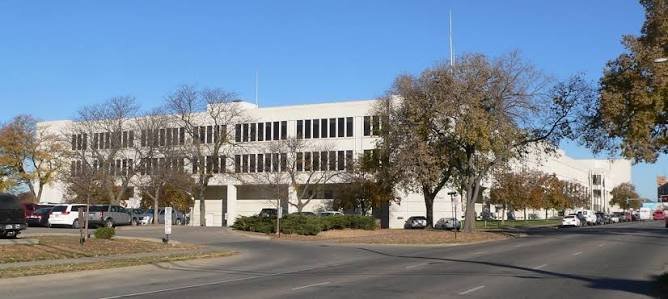
A structural detail worth knowing: the Sheriff’s Office headquarters at the Law Enforcement Center also houses Second Judicial District courtrooms and administrative offices under one roof, along with the county’s detention operations — a genuine consolidation of function in a single downtown Saint Paul complex.
A few structural basics:
- The Sheriff’s Office serves as the primary law enforcement agency for unincorporated areas and cities that don’t run their own police departments
- The agency also provides contracted police services for several Ramsey County cities that don’t maintain independent departments
- Ramsey County’s juvenile and correctional facilities are handled by a separate Department of Community Corrections under state statute, distinct from the Sheriff’s adult detention operations
The Sheriff’s Office: Patrol, Detention, and Regional Support
The Ramsey County Sheriff’s Office handles a genuinely broad set of responsibilities under Minnesota statute:
- Enforcing criminal and traffic laws, responding to calls for service, and running community safety programs
- Operating the Ramsey County Adult Detention Center
- Providing contracted police services acting as the primary law enforcement presence in cities without their own department
- Court & Security Services, covering courthouse security functions
- Regional Services, including specialized programs, training, and interagency cooperation that extend the office’s reach across the county
Because Saint Paul runs its own large municipal police department, the Sheriff’s Office’s contracted-service role primarily benefits the county’s smaller cities and unincorporated areas, while its detention and court security functions extend county-wide regardless of which department made an arrest.
Inside the Adult Detention Center
The Ramsey County Adult Detention Center (ADC), opened in December 2003, is a 500-bed facility housing pre-trial detainees and individuals held for probation or parole violations. It’s staffed by nearly 150 detention, law enforcement, and medical personnel, operating under the Sheriff’s Detention Services Division. Notably, the ADC provides free sign language and oral interpreters, TTYs, and other auxiliary services to ensure effective communication with deaf and hard-of-hearing detainees.
For anyone trying to locate someone in custody:
- The Adult Detention Center Roster is searchable online and updated every 30 minutes throughout the day, showing recent bookings, arresting charges, formal charges, and judicial information including court case numbers and dates
- Records remain available online while a person is in custody and for five days following release, or up to 90 days depending on which county tool you’re using
- For those unable to use the online system, call the detention facility directly at 651-266-9350 with the detainee’s name and date of birth to check custody status
- Alternatively, visit the ADC in person at 425 Grove Street for staff assistance
- Minnesota privacy law restricts juvenile information to legal guardians and authorized parties — general public search doesn’t apply the same way for minors
Bond and Court Processing
Judges in Minnesota’s Second Judicial District set bond amounts during initial court proceedings, based on state law and factors including offense severity, criminal history, and public safety concerns — not the Sheriff’s Office or jail staff directly. Cash bail can typically be posted in person at the appropriate facility, though specific procedures should be confirmed directly given case-by-case variation.
A few practical points:
- Court case information, including scheduled dates and locations, appears on the ADC roster where applicable
- Confirm your specific case’s court division and location through Minnesota’s Second Judicial District system
- Self-help resources are available through the state court system for people representing themselves
A Separate System for Juvenile Corrections
Under Minnesota statute (383A.405), Ramsey County’s correctional, juvenile detention, and home school facilities fall under the county’s Department of Community Corrections, not the Sheriff’s Office. The director of Community Corrections oversees staffing and management for these facilities, while the county board of commissioners sets salaries for employees at these separate juvenile-focused institutions — a structural split worth knowing if your situation involves a minor rather than an adult detainee.
Before You Visit
- Bring valid, government-issued photo ID to any county building, courthouse, or the Adult Detention Center
- Confirm whether your matter involves the Sheriff’s Office (adult detention, patrol, court security) or Community Corrections (juvenile facilities) — these are separate operations
- Downtown Saint Paul parking near the Law Enforcement Center and courts complex can be limited on weekdays
- Call the detention facility directly at 651-266-9350 for the most current custody status rather than relying solely on the online roster
Frequently Asked Questions
Q1. How do I find out if someone is in the Ramsey County Adult Detention Center?
Search the online roster, updated every 30 minutes with booking and judicial information, or call the detention facility directly at 651-266-9350 with the person’s name and date of birth. Records typically remain searchable while someone is in custody and for a period after release.
Q2. Where do I go if I need information about a juvenile in Ramsey County custody?
Juvenile detention and correctional facilities are handled by the county’s Department of Community Corrections, a separate agency from the Sheriff’s Office, and information access for minors is generally restricted to legal guardians under Minnesota privacy law.
Q3. Who sets bond amounts in Ramsey County?
Judges in the Second Judicial District set bond during initial court proceedings, based on state law factors like offense severity, criminal history, and public safety concerns — not the Sheriff’s Office or detention staff. Confirm specific bond amounts and payment procedures directly with the court or detention facility.
Q4. Does the Ramsey County Sheriff’s Office patrol all of Ramsey County, including Saint Paul?
Saint Paul operates its own independent police department. The Sheriff’s Office primarily serves unincorporated areas and provides contracted police services to smaller cities without their own departments, while its detention and court security functions extend county-wide.