Anchored by Fort Worth and a growing stretch of North Texas suburbs, Tarrant County is the third-largest county in Texas and home to more than 2.1 million residents. Its jail system has drawn national scrutiny in recent years, including a Department of Justice review, making it one of the more closely watched county justice systems in the state right now. Here’s a clear, practical breakdown of how Tarrant County’s administration, courts, jail, and sheriff’s office actually function.
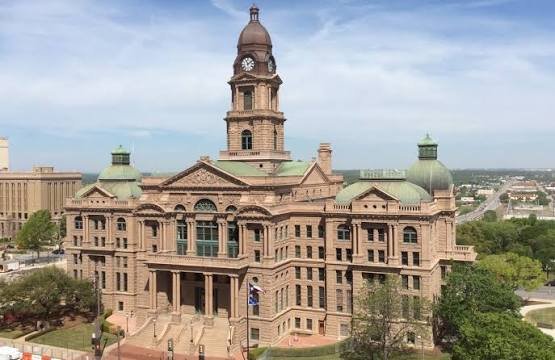
Tarrant County Quick Reference
| Category | Details |
| County Seat | Fort Worth, Texas |
| Population | Over 2.1 million |
| Governing Body | Tarrant County Commissioners Court |
| County Judge (Chief Executive) | Tim O’Hare, in office since January 2023 |
| County Sheriff | Bill Waybourn, in office since 2017 |
| Sheriff’s Office Website | tarrantcounty.com/en/sheriff |
| Main Court/Jail Complex | Tim Curry Criminal Justice Center, 401 W. Belknap St, Fort Worth, TX 76196 |
| Jail Population | Averages around 4,300 inmates daily |
| Court System | Tarrant County District and County Courts |
| Time Zone | Central Time (CT), observes Daylight Saving Time |
How Tarrant County Government Works
Tarrant County operates under Texas’s county-judge system, with the Commissioners Court — the County Judge plus four precinct commissioners — setting budget and policy. Tim O’Hare has served as County Judge since January 2023, having campaigned on cutting county spending and property taxes. As in other Texas counties, the County Judge functions as more of a chief administrator than a courtroom judge, presiding over Commissioners Court rather than hearing cases.
Most residents interact with county administration through:
- Tarrant County Administration Building — downtown Fort Worth, home to several administrative departments and Commissioners Court meetings
- com — the county’s central hub for permits, tax records, and department directories
- Elected county offices — including the Sheriff, District Clerk, County Clerk, Tax Assessor-Collector, and District Attorney, each operating independently of the Commissioners Court
Property tax matters remain a frequent point of contact, and as in most Texas counties, appraisal and collection are split between separate entities — the Tarrant Appraisal District and the Tax Assessor-Collector’s office — so confirming which one applies to your question saves a wasted call.
The Sheriff’s Office and Its Responsibilities
Bill Waybourn has served as Tarrant County Sheriff since 2017, overseeing the county’s law enforcement and jail operations. The office’s core duties include:
- Patrol operations — covering unincorporated Tarrant County and areas without independent municipal police coverage
- Jail operations — running the county’s detention system, the third-largest in the state by population
- Court security — protecting the Tim Curry Criminal Justice Center and other county courthouses, along with prisoner transport
- Civil process — serving warrants, evictions, and subpoenas throughout the county
Because many Tarrant County cities — including Fort Worth and Arlington — run their own independent police departments, the Sheriff’s Office primarily patrols unincorporated areas directly, while its jail and court security functions touch the entire county’s justice system regardless of which police agency made the arrest.
The Jail System — and Recent Oversight
The Tarrant County Jail, housed within the Tim Curry Criminal Justice Center complex, holds an average daily population of roughly 4,300 people and processes tens of thousands of bookings annually. The facility has faced sustained public scrutiny in recent years, including a U.S. Department of Justice review connected to inmate deaths in custody, and local officials have publicly discussed funding for jail improvements, including body cameras and outside review of jail practices and standards.
For anyone dealing with the current system, here’s what matters:
- The Sheriff’s Office maintains an online inmate search tool through its Detention Bureau, searchable by name
- Recently booked individuals may take several hours to appear in the system
- Bond payments can typically be made in person at the jail or through the county’s approved online payment channels — confirm accepted methods before heading over
- Visitation requires advance scheduling and valid photo ID; given ongoing oversight and facility changes, it’s worth confirming current procedures before a visit rather than assuming past rules still apply
Filing With the District Clerk’s Office
Tarrant County’s District Clerk maintains records for the county’s district courts — felony criminal cases, family law, and major civil matters — with operations centered at the Tim Curry Criminal Justice Center in downtown Fort Worth. Misdemeanor and county-level civil matters route through the separate County Clerk’s office, a split that catches many first-time filers off guard.
A few practical points before filing or researching a case:
- Case records can often be searched online through the District Clerk’s case lookup system before an in-person visit is necessary
- Tarrant County splits felony and major civil cases (District Clerk) from misdemeanors, probate, and county-level civil matters (County Clerk) — confirm which office applies before filing
- Jury duty summons and passport applications typically route through the District Clerk’s office
- Self-help resources are available for people representing themselves, though court staff cannot provide legal advice
Before You Visit
- Bring valid, government-issued photo ID to any county building, courthouse, or jail facility
- Confirm whether your matter falls under the District Clerk or County Clerk before showing up, since Tarrant County splits these functions
- Parking near the Tim Curry Criminal Justice Center in downtown Fort Worth can be tight on weekday mornings — check nearby public lots in advance
- Given ongoing oversight and facility changes at the jail, call ahead to confirm current visitation and bond procedures rather than relying on older information
Frequently Asked Questions
Q1. How do I find out if someone is in the Tarrant County Jail?
Use the Sheriff’s Office online inmate search tool through its Detention Bureau, searching by name. If the person was arrested very recently, allow several hours for booking information to appear before assuming there’s an error.
Q2. What’s the difference between the District Clerk and County Clerk in Tarrant County?
The District Clerk handles felony criminal cases, family law matters, and major civil litigation. The County Clerk manages misdemeanors, probate, and county-level civil cases, along with vital records like marriage licenses. Confirming which office applies before filing prevents a wasted trip.
Q3. Has the Tarrant County Jail been under federal review?
Yes. The jail has faced scrutiny in recent years over inmate deaths in custody, including a U.S. Department of Justice review. County officials have since discussed funding for jail improvements, including body cameras and independent review of practices, though ongoing oversight means procedures may continue to evolve.
Q4. Can I pay bond or court fees online instead of in person?
Many bond and fee payments can be completed through the Sheriff’s Office or District Clerk’s approved online payment systems, but not every case type qualifies. Confirm eligibility and accepted payment methods by phone before assuming an online option applies to your specific case.