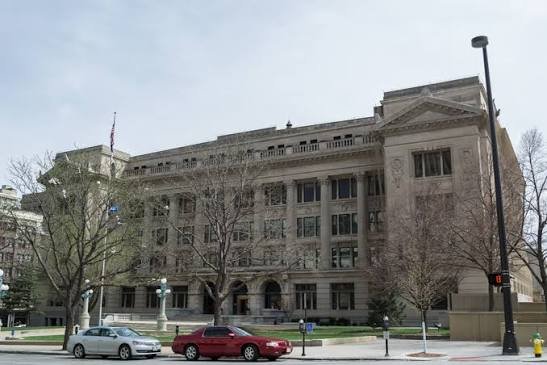
Ask who runs the Oklahoma County jail, and the answer surprises a lot of people: it isn’t the Sheriff. It’s a public trust called the Oklahoma County Criminal Justice Authority, a separate governing body created specifically to operate the Oklahoma County Detention Center — an arrangement that sets this county apart from most others in the country, where the sheriff and the jail are essentially the same operation. Oklahoma County, anchored by Oklahoma City and home to roughly 800,000 residents, is also in the middle of an active public debate over where a future jail should even be located. Here’s how the county’s government, jail, courts, and sheriff’s office actually fit together.
Oklahoma County Quick Facts
| Category | Details |
| County Seat | Oklahoma City, Oklahoma |
| Population | Roughly 800,000 |
| Governing Body | Board of County Commissioners (3 members) |
| Elected County Offices | 9 total — Assessor, County Clerk, Court Clerk, District Attorney, 3 Commissioners, Sheriff, Treasurer |
| Sheriff | Tommie Johnson III |
| Jail Operator | Oklahoma County Criminal Justice Authority (a public trust, not the Sheriff’s Office) |
| Main Jail Facility | Oklahoma County Detention Center, 201 N. Shartel Ave, Oklahoma City |
| Court Clerk Phone | (405) 713-1705 |
| Time Zone | Central Time (CT), observes Daylight Saving Time |
Nine Elected Officials, No Single County Executive
Oklahoma County runs on a fairly traditional structure for the state: a three-member Board of County Commissioners handles roads, budget, and general administration, while nine total elected officials — including the Assessor, County Clerk, Court Clerk, District Attorney, Sheriff, and Treasurer — each run independent offices answerable directly to voters rather than to the Commissioners. There’s no single county executive tying it all together; authority is genuinely distributed across these separately elected positions.
That distributed structure becomes especially relevant when you get to the jail — because unlike almost every other county in this series, Oklahoma County doesn’t have the Sheriff running detention operations at all.
The Sheriff’s Office: Patrol and Civil Duties, Not the Jail
Sheriff Tommie Johnson III leads the Oklahoma County Sheriff’s Office, whose stated mission centers on strengthening public trust through professional law enforcement across the county. The office’s core responsibilities include:
- Patrol services in unincorporated areas of the county
- Serving warrants and civil legal process papers
- Supporting other county offices on public safety matters
- Court security functions tied to county judicial proceedings
What the Sheriff’s Office notably does not do is set bond amounts or directly manage jail operations — those functions sit with judges and the separate Criminal Justice Authority respectively. If you’re contacting the Sheriff’s Office expecting jail information, you’ll likely be redirected to the detention center’s own administration instead.
The Detention Center: Run by a Public Trust
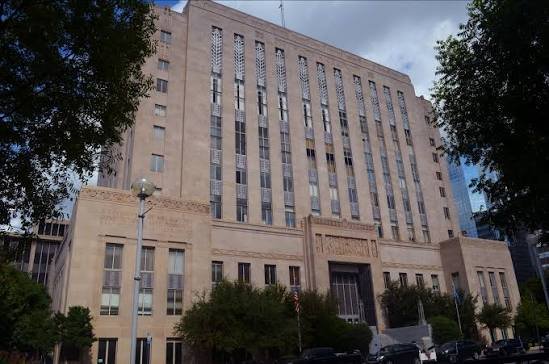
The Oklahoma County Detention Center, located at 201 N. Shartel Avenue in downtown Oklahoma City, is governed by the Oklahoma County Criminal Justice Authority — a public trust structure distinct from both the Sheriff’s Office and the Board of County Commissioners. This arrangement reflects years of scrutiny over jail conditions in Oklahoma County, which prompted the creation of a dedicated authority focused specifically on detention operations rather than folding that responsibility into general Sheriff’s Office duties.
The county is also currently navigating a genuinely open question about the jail’s long-term future — county commissioners have publicly discussed ongoing “location talks” regarding where a new or relocated facility might eventually be built, a conversation that remains unresolved as of recent public commissioner discussions.
For anyone trying to locate or support someone in custody:
- Family members can verify charges, bond status, and court dates through official channels, including direct contact with the Detention Center
- Judges — not the Sheriff — set bond amounts under Oklahoma law, based on the charges and risk factors involved
- Posting bond depends on case type: county cases may involve cash paid at the courthouse or coordination with the Detention Center’s bonding window through a licensed bondsman
- Money can be added to an inmate’s account online through NCIC or via a kiosk in the Detention Center’s front lobby during business hours
- Release processing takes time — all persons must clear a warrant check, account for detention-issued property, and complete out-processing paperwork before release, which can take several hours even after paperwork is received
Programs and Reentry Support
The Detention Center works alongside outside organizations focused on reducing repeat incarceration. TEEM (The Education and Employment Ministry), a nonprofit dedicated to breaking cycles of incarceration and poverty through education and work readiness training, and Diversion Hub, which connects justice-involved individuals to stabilizing resources, both operate in coordination with the county’s detention system — worth knowing for families looking for reentry support beyond the jail itself.
Working With the Court Clerk
The Oklahoma County Court Clerk manages records for the county’s court system, including case files, dockets, and court cost collection — a separate elected office from both the Sheriff and the County Clerk (which handles a different set of county records like deeds and commission minutes).
A few practical points:
- Court dates and case information can be checked by phone at (405) 713-1705 or online through Oklahoma’s statewide court records system, OSCN.net
- Confirm whether you need the County Clerk (property and county records) or the Court Clerk (case filings and dockets) — the naming similarity trips up plenty of first-time callers
- The “In and Out” sheet provided at release from custody contains case-related information useful for confirming court dates
Before You Visit
- Bring valid, government-issued photo ID to any county building, courthouse, or the Detention Center
- Confirm whether your question belongs with the Sheriff’s Office (patrol, warrants, civil process) or the Criminal Justice Authority (jail operations, bond, visitation) — this distinction is unusual enough nationally that it’s worth double-checking
- The Oklahoma County Annex Building at 320 Robert S. Kerr Avenue handles several administrative functions separate from the Detention Center itself
- Given the ongoing conversation about the jail’s future location, check current county commissioner meeting records for the latest status if that’s relevant to your situation
Frequently Asked Questions
Q1. Does the Oklahoma County Sheriff run the jail?
No — this is the most common point of confusion for anyone researching Oklahoma County. The Oklahoma County Detention Center is operated by the Oklahoma County Criminal Justice Authority, a separate public trust, not the Sheriff’s Office. The Sheriff handles patrol, warrants, and civil process instead.
Q2. How do I find out if someone is in the Oklahoma County Detention Center?
Contact the Detention Center directly at 201 N. Shartel Ave, Oklahoma City, or call 405-907-1930 or 405-504-6811. Family members can verify charges, bond status, and court dates through these official channels rather than through the Sheriff’s Office.
Q3. Who sets bond amounts in Oklahoma County?
Judges set bond amounts under Oklahoma law based on the charges and specific risk factors involved — not the Sheriff and not jail staff. Once bond is set, the Detention Center and courts manage the actual custody and bond payment records.
Q4. Is Oklahoma County building a new jail?
County commissioners have been engaged in ongoing discussions about the jail’s future, including where a new or relocated facility might eventually be built, but as of recent commissioner discussions, no final decision has been settled. Check current Board of County Commissioners meeting records for the latest status on this evolving question.