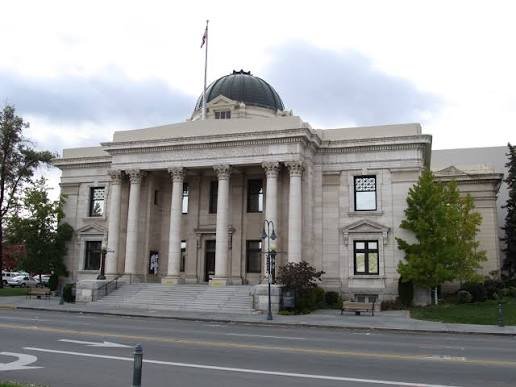
Home to Cleveland and more than 1.2 million residents, Cuyahoga County stands out among Ohio’s 88 counties for one specific reason: it’s the only one where the Sheriff is appointed rather than elected. That structural difference, combined with a major new jail project currently in the works, makes understanding how this county’s government actually operates especially useful right now. Here’s a clear, current breakdown.

Cuyahoga County Overview
| Category | Details |
| County Seat | Cleveland, Ohio |
| Population | Over 1.2 million |
| Governing Body | Cuyahoga County Executive and County Council |
| County Executive | Chris Ronayne, in office since January 2023 |
| County Sheriff | Harold Pretel — appointed, not elected |
| Sheriff’s Office Website | sheriff.cuyahogacounty.gov |
| Court System | Cuyahoga County Court of Common Pleas |
| Main Jail Facility | Cuyahoga County Corrections Center, Cleveland |
| New Jail Status | County has proposed a new facility in Garfield Heights, still in planning stages |
| Time Zone | Eastern Time (ET), observes Daylight Saving Time |
How Cuyahoga County Government Works
Cuyahoga County operates under a charter form of government, with an elected County Executive serving as chief administrator and a County Council setting policy and approving the budget. Chris Ronayne has served as County Executive since January 2023, following predecessors Ed FitzGerald and Armond Budish. This charter structure, adopted in 2010 following a major corruption scandal involving previous county officials, replaced Ohio’s traditional three-commissioner system with a more centralized executive model — a genuinely different approach than most Ohio counties still use.
Most residents interact with county administration through:
- Cuyahoga County Administrative Headquarters — downtown Cleveland, home to the Executive’s office and County Council
- gov — the county’s central hub for permits, property records, and department directories
- Cuyahoga County Welcome Center — a notable recent initiative connecting newcomers to jobs and housing resources, reflecting the county’s stated focus on immigrant and newcomer support
The Sheriff’s Office: An Appointed Position
Unlike every other county in Ohio, Cuyahoga County’s Sheriff is appointed by the County Executive rather than elected by voters — a structural quirk stemming from the county’s 2010 charter reform. Harold Pretel, previously Deputy Chief for the Cleveland Division of Police, was appointed Sheriff by County Executive Chris Ronayne and approved by County Council in 2023.
This arrangement has drawn ongoing criticism from some county officials, including calls from County Council members to restore an elected sheriff position, arguing the appointed model reduces public accountability. Whether or not that changes, the Sheriff’s Office currently handles the same core duties Ohio law requires of county sheriffs:
- Jail operations — running the county’s correctional facility
- Court security — maintaining courthouse security for the Court of Common Pleas
- Prisoner transport and extradition — moving individuals between facilities and jurisdictions
- Civil process — serving judicial papers, warrants, and evictions throughout the county
Because Cleveland operates its own large municipal police department, the Sheriff’s Office in Cuyahoga County functions similarly to Franklin County’s structure — focused heavily on jail operations, court security, and civil process rather than broad patrol duties across incorporated areas.
The Jail System — Aging Facility, New Construction Plans
The current Cuyahoga County Corrections Center in downtown Cleveland has faced serious scrutiny over the years, including a 2019 incident in which five jailers were criminally charged by their own department for turning off surveillance cameras and abusing detainees. In response to long-standing concerns about the facility’s age and conditions, County Executive Ronayne has proposed constructing a new jail on a 72-acre site in Garfield Heights, along with extending a quarter-percent sales tax to help fund the project — though as of now, this remains in the planning and legislative stages rather than completed construction.
For anyone dealing with the current jail system:
- The Sheriff’s Office maintains an online inmate search tool, typically searchable by name
- Given the facility’s age and ongoing conversations about replacement, confirm current visitation and access procedures before visiting rather than relying on older information
- Recently booked individuals may take several hours to appear in the system
- Bond payments can generally be made in person at the facility or through the county’s approved online payment channels
- Visitation requires advance scheduling and valid photo ID
Working With the Court of Common Pleas
Cuyahoga County’s Court of Common Pleas handles felony criminal cases, major civil matters, and domestic relations cases, operating primarily out of the Justice Center complex in downtown Cleveland alongside the jail and Sheriff’s Office.
A few practical points before filing or researching a case:
- Case records can often be checked online through the court’s case search system before an in-person visit
- Cuyahoga County splits certain case types across specialized dockets, including domestic relations and probate — confirm which division applies to your matter
- Self-help resources are available for people representing themselves, though court staff cannot provide legal advice
- Given ongoing conversations about jail relocation and facility changes, confirm current courthouse and jail locations before planning a visit, especially if working from older information
Before You Visit
- Bring valid, government-issued photo ID to any county building, courthouse, or jail facility
- Confirm current jail location and procedures before visiting, given ongoing discussions about a new Garfield Heights facility
- Downtown Cleveland parking near the Justice Center can be limited on weekday mornings — public transit (RTA) is often the more practical option
- Call the Sheriff’s Office directly for bond and visitation questions rather than a general county line
Frequently Asked Questions
Q1. Why is the Cuyahoga County Sheriff appointed instead of elected, unlike other Ohio counties?
Cuyahoga County adopted a charter government structure in 2010 that gives the County Executive authority to appoint the Sheriff, subject to County Council approval. It’s currently the only one of Ohio’s 88 counties with this arrangement, and some county officials have publicly called for a return to an elected sheriff.
Q2. Is Cuyahoga County actually building a new jail?
The county has proposed a new jail facility on a 72-acre site in Garfield Heights, along with a sales tax extension to help fund construction, but this remains in the planning and legislative stages. The current Cuyahoga County Corrections Center in downtown Cleveland continues to operate while these plans move forward — check current county announcements for the latest status.
Q3. How do I find out if someone is in the Cuyahoga County Jail?
Use the Sheriff’s Office online inmate search tool with the person’s full legal name. Given ongoing facility discussions and the jail’s age, allow extra time after a recent arrest for booking information to appear, and confirm current visitation procedures before visiting.
Q4. Is the Sheriff’s Office the same as Cleveland Police?
No. The Cleveland Division of Police is an independent city agency handling most law enforcement within Cleveland, while the Sheriff’s Office focuses primarily on jail operations, court security, and civil process, along with law enforcement duties in areas without their own police coverage.