Home to Raleigh and one of the fastest-growing populations in the country at more than 1.1 million residents, Wake County runs a government system built to keep pace with rapid regional growth. Whether you’re dealing with a court filing, trying to locate someone in custody, or just trying to understand how the county works, here’s a clear breakdown of Wake County’s administration, jail, courts, and sheriff’s office.

Wake County Overview
| Category | Details |
| County Seat | Raleigh, North Carolina |
| Population | Over 1.1 million |
| Governing Body | Wake County Board of Commissioners (7 members) |
| County Sheriff | Willie Rowe |
| Sheriff’s Office Website | wakegov.com/departments-government/sheriffs-office |
| Clerk of Superior Court | Claudia Croom |
| Court System | Wake County Superior and District Courts (Tenth Judicial District) |
| Civil Court Location | Wake County Courthouse, Raleigh |
| Criminal Court & Detention | Wake County Justice Center, Raleigh |
| Main Jail Facility | Wake County Detention Center |
| Time Zone | Eastern Time (ET), observes Daylight Saving Time |
How Wake County Government Works
Wake County is governed by a seven-member Board of Commissioners, elected to set policy and approve the county budget, working alongside an appointed County Manager who oversees day-to-day operations. Several offices — including the Sheriff, Clerk of Superior Court, Register of Deeds, and District Attorney — are elected independently and don’t report to the Board of Commissioners.
Most residents interact with county administration through:
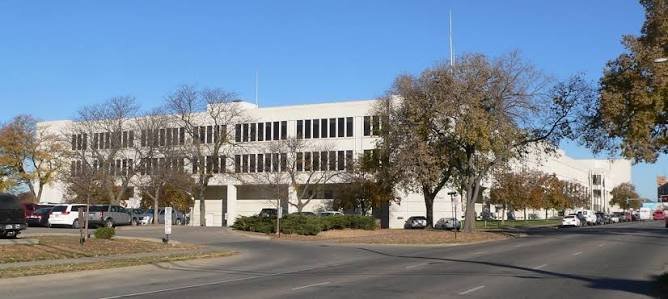
- Wake County Justice Center — downtown Raleigh, housing multiple county departments including Budget & Management Services, the County Attorney’s office, Finance, and Tax Administration, alongside criminal courts
- com — the county’s central hub for permits, property records, and department directories
- Regional service centers — the county maintains satellite offices across its rapidly growing suburbs, including Cary, Apex, and Wake Forest
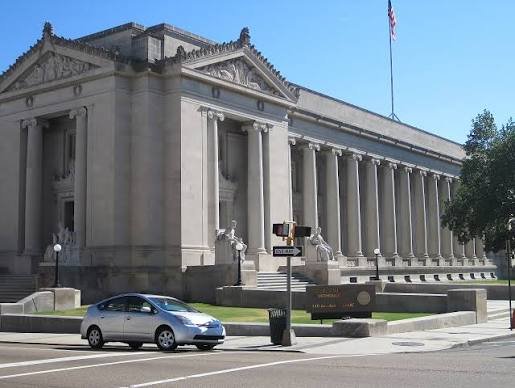
One structural detail specific to Wake County worth knowing upfront: civil matters and criminal matters are handled in two entirely separate buildings — the Wake County Courthouse (civil) and the Wake County Justice Center (criminal, plus marriages) — so confirming which building you need before heading downtown saves real time.
The Sheriff’s Office and Its Responsibilities
Willie Rowe serves as Wake County Sheriff, overseeing an office responsible for a wide range of public safety functions across one of North Carolina’s fastest-growing counties. The Sheriff’s Office responsibilities include:
- Jail operations — running the county’s detention facilities through its Detention Division
- Court security — deputies provide security support at both the Wake County Justice Center and Wake County Courthouse
- Civil process — serving warrants, evictions, and civil fingerprinting services through the office’s Civil Identification Unit
- Patrol services — covering unincorporated Wake County and areas without independent municipal police coverage
Because Raleigh, Cary, and several other Wake County municipalities operate their own police departments, the Sheriff’s Office focuses heavily on jail operations, court security, and civil process functions that apply countywide, alongside direct patrol responsibilities in unincorporated areas.
Understanding the Jail System
The Wake County Sheriff’s Office Detention Division manages the county’s detention facilities, which are the only ones housing adult detainees in Wake County. The Wake County Detention Center serves as the primary facility for individuals arrested throughout the county.
For anyone trying to locate or support someone in custody:
- The Sheriff’s Office maintains an online inmate inquiry tool, part of its broader public services portal, searchable by name
- Recently booked individuals may take several hours to appear in the system
- Personal mail to inmates is now digitally delivered via tablet rather than traditional physical mail — a detail worth knowing before sending letters or photos to someone in custody
- Bond payments can generally be made in person at the detention facility or through approved payment channels
- Visitation requires advance scheduling and valid photo ID for approved visitors
Working With the Clerk of Superior Court
Claudia Croom serves as Wake County’s Clerk of Superior Court, an office responsible for maintaining court records and administering several judicial functions specific to North Carolina’s court system. A few things to know before filing or researching a case:
- Comprehensive Wake County arrest and case data is available through the Clerk of Superior Court’s office, located on the first floor of the Wake County Justice Center
- Civil matters, excluding marriages, are handled at the separate Wake County Courthouse rather than the Justice Center
- Criminal matters and marriage licenses are processed at the Wake County Justice Center
- Self-help resources are available for people representing themselves, though court staff cannot provide legal advice
Before You Visit
- Bring valid, government-issued photo ID to any county building, courthouse, or jail facility
- Confirm whether your matter belongs at the Wake County Courthouse (civil) or the Wake County Justice Center (criminal and marriages) before heading downtown
- Downtown Raleigh parking near the Justice Center and Courthouse can be limited on weekday mornings — check nearby public garages in advance
- Call the Sheriff’s Office directly for detention-related questions, since the office also maintains a 24-hour information line
Frequently Asked Questions
Q1. How do I find out if someone is in the Wake County Jail?
Use the Sheriff’s Office online inmate inquiry tool with the person’s name, available through the county’s public services portal. If the person was arrested very recently, allow several hours for booking information to appear before assuming there’s an error.
Q2. Do I go to the Wake County Courthouse or the Justice Center for my matter?
It depends on the case type. Civil matters, aside from marriage licenses, are handled at the Wake County Courthouse, while criminal matters and marriage licenses are processed at the Wake County Justice Center. Check your paperwork or call ahead to confirm before making the trip.
Q3. How can I send mail to someone in the Wake County Detention Center?
Personal mail, including letters and photos, is now delivered digitally through inmate tablets rather than traditional physical mail. Confirm current procedures and any required formats directly with the Sheriff’s Office before sending anything.
Q4. Is the Wake County Sheriff’s Office the same as Raleigh Police?
No. The City of Raleigh and several other Wake County municipalities operate their own independent police departments, while the Sheriff’s Office covers unincorporated areas and handles jail operations and court security countywide, regardless of which agency made the arrest.