Florida’s most populous county just went through one of the biggest structural changes in its modern history: after nearly six decades without an elected sheriff, Miami-Dade swore one in on January 7, 2025. For the more than 2.7 million residents spread from Miami Beach to Homestead, that shift means the county’s public safety, court, and administrative systems look meaningfully different than they did just a couple of years ago. Here’s a current, practical breakdown of how Miami-Dade County government actually works.
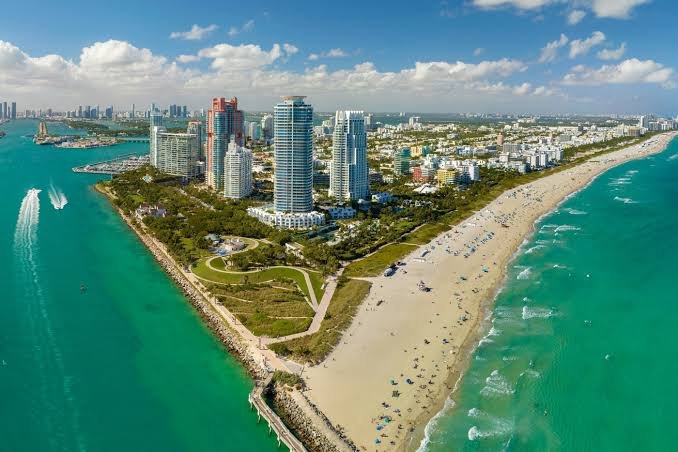
Miami-Dade County Overview
| Category | Details |
| County Seat | Miami, Florida |
| Population | Approximately 2.7 million |
| Governing Body | Miami-Dade Board of County Commissioners |
| Mayor | Daniella Levine Cava |
| County Sheriff | Rosie Cordero-Stutz — first elected sheriff since 1966 |
| Sheriff’s Office Website | mdso.miamidade.gov |
| Clerk of Court and Comptroller | Juan Fernandez-Barquin |
| Clerk’s Office Address | 73 W. Flagler St, Miami, FL 33130 |
| Court System | Eleventh Judicial Circuit Court of Florida |
| Main Jail Facility | Miami-Dade Pre-Trial Detention Center (main jail), Turner Guilford Knight Correctional Center (TGK) |
| Corrections Authority | Miami-Dade Corrections and Rehabilitation Department |
| Time Zone | Eastern Time (ET), observes Daylight Saving Time |
A County Government Mid-Transition
Miami-Dade operates under a strong mayor-commission system, with Mayor Daniella Levine Cava overseeing day-to-day operations and a 13-member Board of County Commissioners setting policy and approving the budget. What makes Miami-Dade unusual — and what changed recently — is law enforcement structure.
Until January 2025, Miami-Dade was the only county in Florida where the mayor held the constitutional powers of sheriff, with police operations run through the Miami-Dade Police Department (MDPD) under mayoral control. A 2018 statewide constitutional amendment required all Florida counties to elect an independent sheriff, ending an arrangement Miami-Dade had used since a 1966 corruption scandal led voters to abolish the elected sheriff role entirely.
Key things to know about the current structure:
- The Sheriff’s Office is newly independent — it took over policing authority from the mayor’s office as of January 2025
- Some transition friction is ongoing — the county and the Florida Sheriffs Association have publicly disagreed over exactly which duties and resources transferred to the new Sheriff’s Office versus what the county retained
- County administration — routine services like permitting, tax collection, and public works remain under the Mayor and Commission, unaffected by the sheriff transition
The Miami-Dade Sheriff’s Office
Rosie Cordero-Stutz, a 28-year veteran of Miami-Dade’s police department, was sworn in as the county’s first elected sheriff since 1966, becoming the first Hispanic woman sheriff in Florida history. The office she now leads is still working through its first full years of independent operation, having formally separated from the police department that previously operated under mayoral authority.
Responsibilities of the Sheriff’s Office include:
- Patrol operations — law enforcement across unincorporated Miami-Dade and jurisdictions that contract for service
- Investigations — major crimes, corruption, and specialized units inherited from the former police department structure
- Court and civil enforcement — serving warrants, evictions, and civil process orders, functions traditionally tied to the sheriff role statewide
- Coordination with municipal police — many Miami-Dade cities, including the City of Miami itself, run independent police departments, so the Sheriff’s Office jurisdiction doesn’t automatically cover the entire county
Because this transition is still relatively fresh, residents researching jurisdiction or authority questions should expect continued adjustments as the office finishes separating from its former structure within county government.
Jail and Corrections in Miami-Dade
Custody operations in Miami-Dade are run by the Miami-Dade Corrections and Rehabilitation Department, a separate entity from the Sheriff’s Office. The county’s jail system includes several facilities:
- Miami-Dade Pre-Trial Detention Center — downtown Miami, the county’s primary intake and processing jail
- Turner Guilford Knight Correctional Center (TGK) — houses a significant share of the county’s general population and specialized units, including mental health and medical divisions
- Metro West Detention Center — another major facility handling general population inmates
For anyone trying to locate someone in custody:
- The Corrections Department maintains an online inmate information search, typically requiring full legal name to locate a record
- Recently booked individuals may not appear immediately — allow several hours after arrest before assuming there’s an error
- Bond payments can generally be made in person at the relevant facility or through the county’s approved online payment system
- Visitation requires scheduling in advance and valid photo ID for every approved visitor
Working With the Clerk of Court and Comptroller
Juan Fernandez-Barquin serves as Miami-Dade’s Clerk of Court and Comptroller, an office that combines traditional court-records duties with broader financial oversight responsibilities for the county — a dual role that’s distinctive to Florida’s clerk system. The office manages records for the Eleventh Judicial Circuit Court, one of the busiest circuit courts in the state.
A few things worth knowing before filing or researching a case:
- Case records and filings can often be checked online through the Clerk’s e-filing and case search portals before an in-person visit
- The Clerk’s office also handles marriage licenses, official records, and certain financial functions for the county, not just court filings
- Self-help resources are available at the courthouse for people representing themselves, though staff can’t offer legal advice
- Traffic citations and civil small claims often have separate filing tracks from felony and major civil matters, so confirm which applies before filing
Before You Visit
- Bring valid, government-issued photo ID to any county building, courthouse, or corrections facility
- Confirm whether your matter falls under the Sheriff’s Office or a municipal police department, since Miami-Dade’s cities largely run independent policing
- Downtown Miami courthouse and administration buildings have limited street parking — nearby garages are usually the more reliable option
- Call the specific jail facility for bond and visitation questions rather than a general county line, since procedures can vary between facilities
Frequently Asked Questions
Q1. Is the Miami-Dade Sheriff’s Office the same as the old Miami-Dade Police Department?
They’re related but not identical. The Sheriff’s Office took over policing authority from the Mayor’s office in January 2025 following a constitutional mandate, absorbing much of what was previously the Miami-Dade Police Department. Some jurisdictional details are still being finalized as the transition continues.
Q2. How do I find out if someone is in a Miami-Dade jail facility?
Use the Miami-Dade Corrections and Rehabilitation Department’s online inmate search tool with the person’s full legal name. Since the county operates multiple facilities, allow time after a recent arrest for booking information to appear before assuming the search failed.
Q3. Does the Sheriff’s Office cover the entire county, including Miami itself?
No. Many Miami-Dade municipalities, including the City of Miami, Miami Beach, and Coral Gables, operate their own independent police departments. The Sheriff’s Office generally covers unincorporated areas and jurisdictions that specifically contract for its services.
Q4. What’s the difference between the Clerk of Court and the Sheriff’s Office when it comes to court paperwork?
The Clerk of Court and Comptroller’s office manages case filings, records, and certain financial functions for the court system. The Sheriff’s Office handles civil enforcement tasks like serving legal papers and evictions once a court has issued an order. They’re separate offices with distinct roles in the same overall process.